School system in Uganda: An overview of education and challenges
Everything you need to know about Uganda’s school system – from compulsory education to educational barriers
The school system in Uganda theoretically provides all children with access to education, but due to financial and structural challenges, many families and schools struggle to provide quality education. In this post, you will learn more about the different levels of education, compulsory education and the biggest educational barriers in Uganda.
In Uganda, compulsory schooling is compulsory for all children between the ages of 6 and 13. The school system is divided into several stages, covering a broad age group. Education begins with the Nursery Schoolwhich lasts three years and cares for children aged 3 to 6 years. Subsequently, the Primary School (primary school), which covers seven years, of Primary Class 1 to 7. This primary school forms the basis of school education in Uganda.
After graduation from primary school, we continue to Secondary School Lowerwhich lasts four years (Senior 1 to 4), and eventually leads to Secondary School Upper (High School), which includes a further two years in the classes Senior 8 to 11. After these eleven years, the students receive their university maturity. Alternatively, there is the possibility of a vocational school to attend, which usually lasts three years and offers vocational training such as for teachers.
The school year in Uganda is in three Terms (school sections), each comprising a trimester. The school year usually ends at the beginning of December. Parents have to pay the school fees at the beginning of each term, which is a great challenge for many.
School fees and challenges in the Ugandan education system
Although there is one in Uganda School allowances for primary school, this is in many cases only a theoretical concept. In fact, public schools are often unable to provide high-quality education. Many teachers are poorly educated, are paid irregularly or are overwhelmed, and the equipment of the schools also leaves something to be desired. School materials such as books, booklets and pens are often in short supply, which makes teaching considerably more difficult.
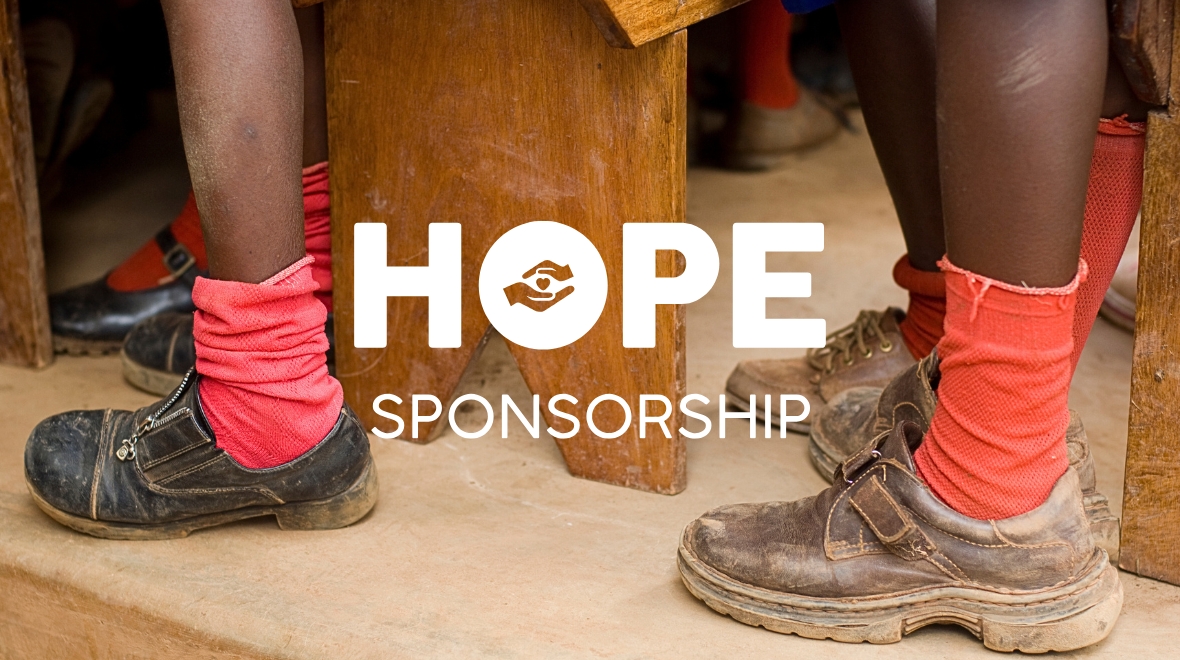
Another major problem is that many families cannot afford the Ugandan-mandated School uniform to buy. This not only complicates access to school, but also has an impact on children’s self-esteem and discipline.
Despite these challenges, progress has also been made in Uganda. The Literacy rate The adult is with 71%, while literacy among adolescents and young adults (15-24 years) in 87% (according to UNHS 2009/10, World Bank as of 2010). These figures show that education in Uganda is becoming increasingly accessible, even though there are still many barriers.
In summary, Uganda’s school system offers a promising foundation for education, but is characterised by significant financial and infrastructural challenges. Many children and their families depend on support to ensure access to a high-quality education.
If you would like to learn more about how to support the education system in Uganda, click on the button to our Sponsorship opportunities.
Sponsorship opportunities