Assistance after flash flooding
Great hardship in Nepal – Affected people now need our help
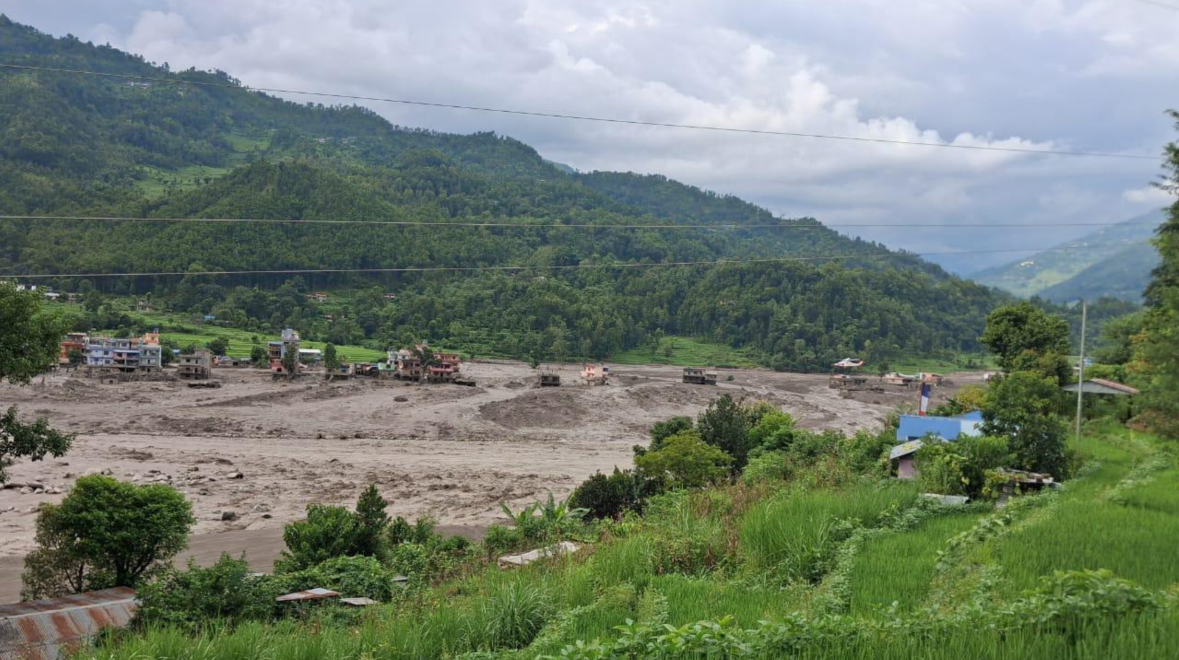
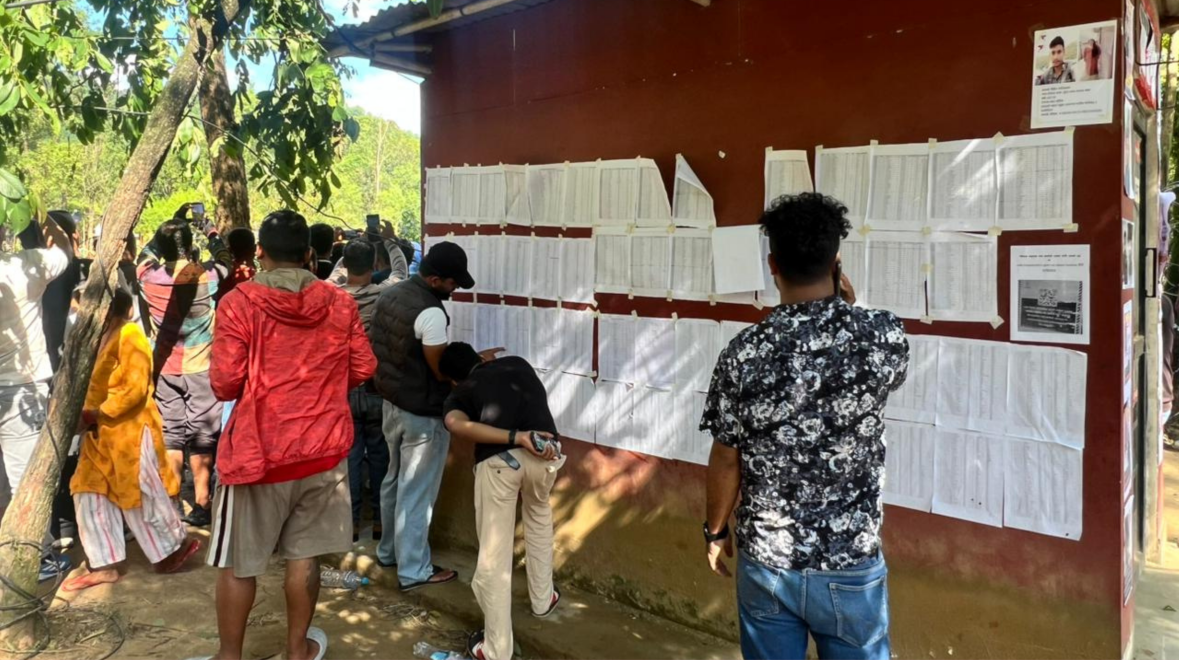
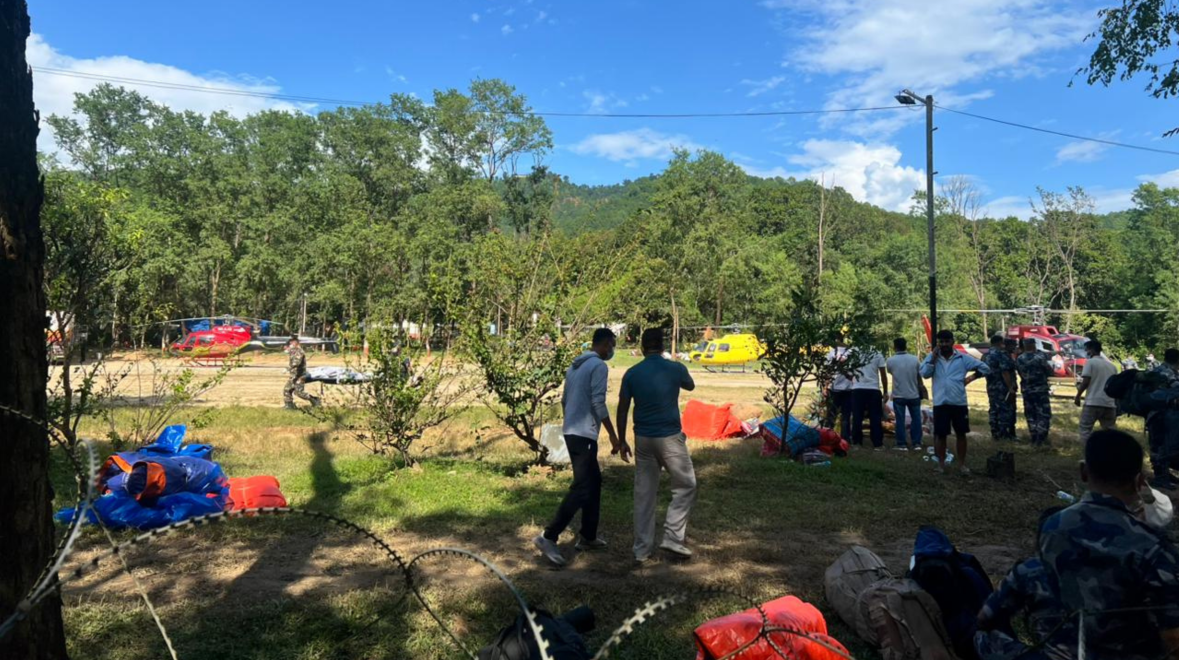
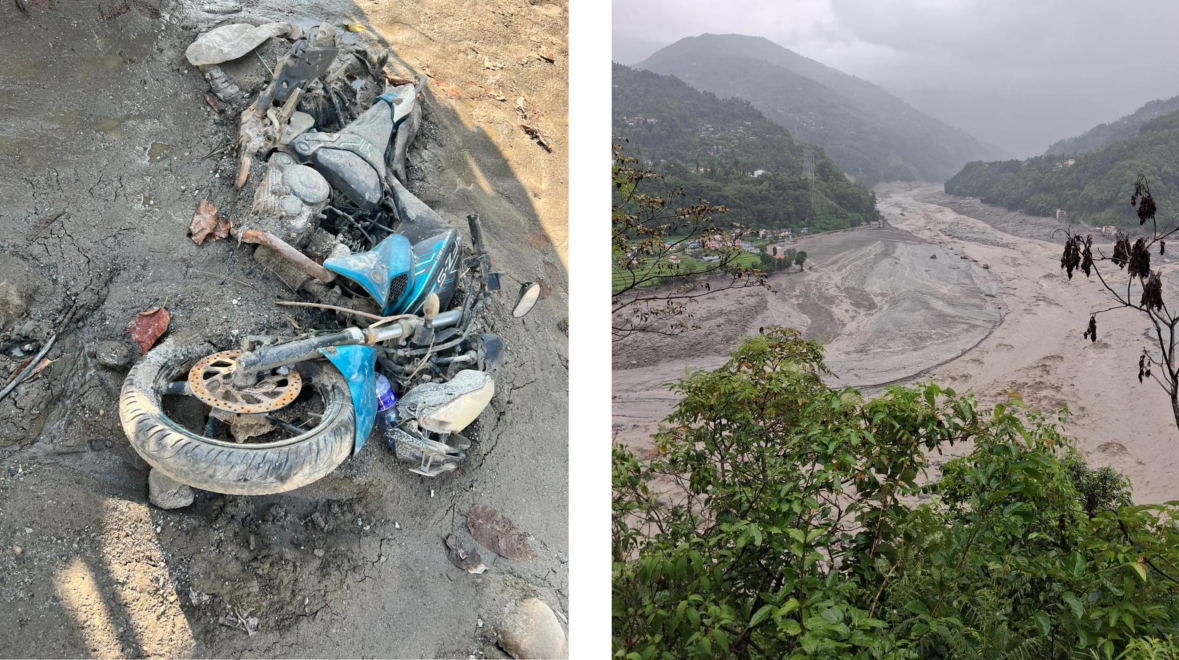
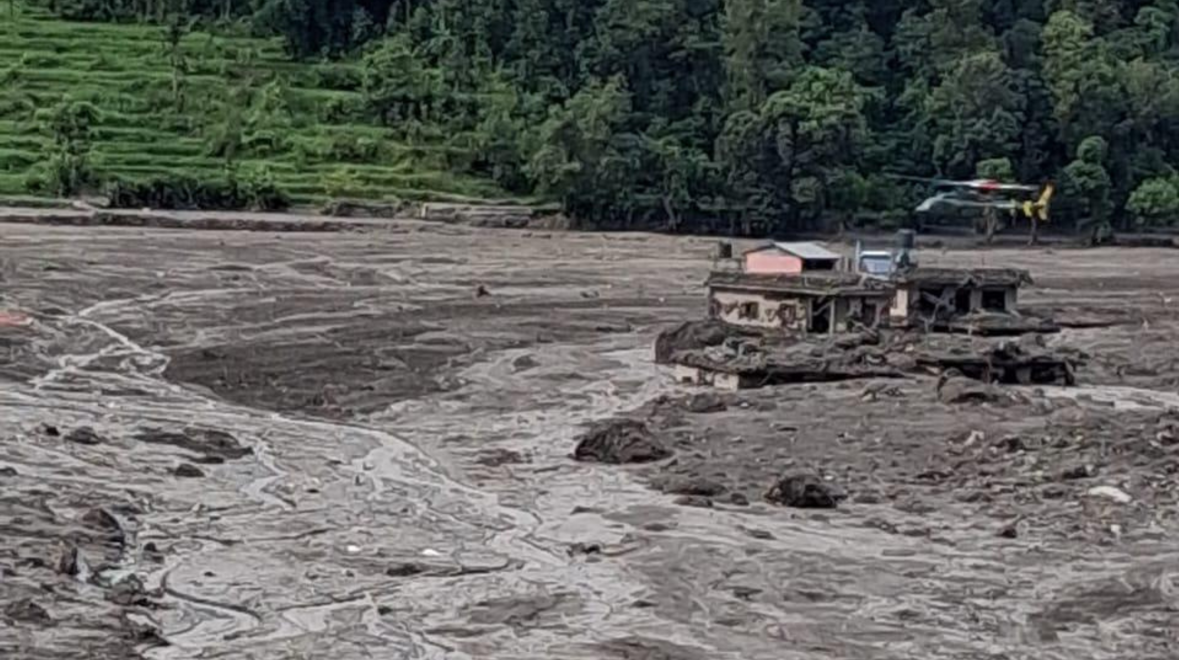
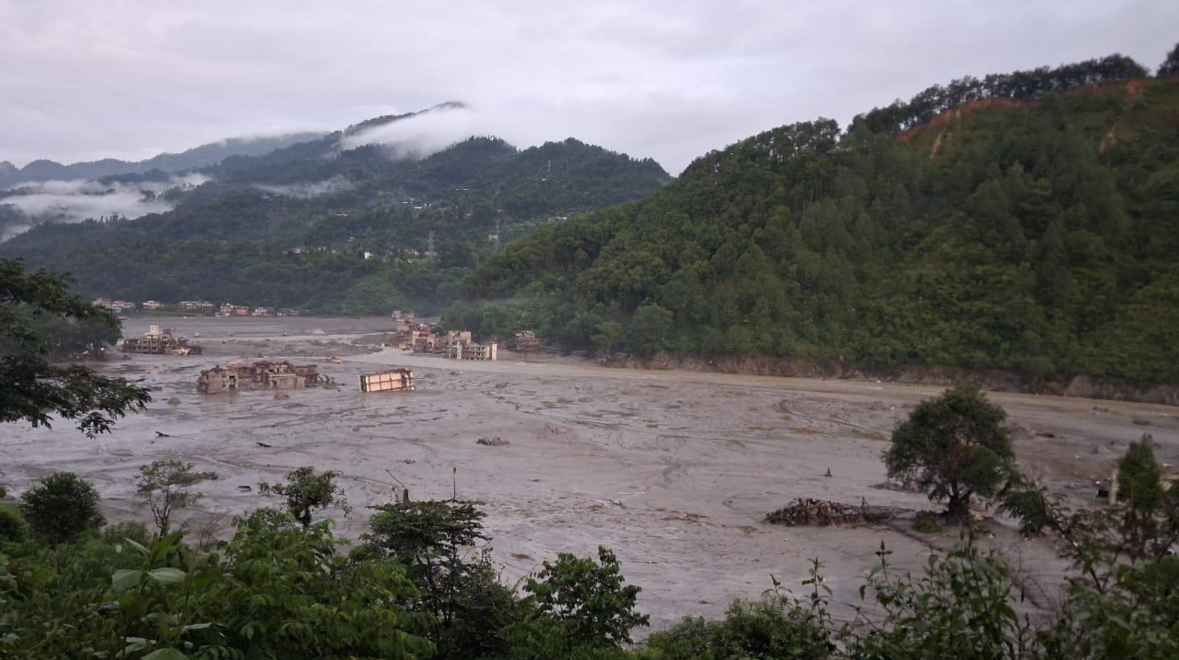
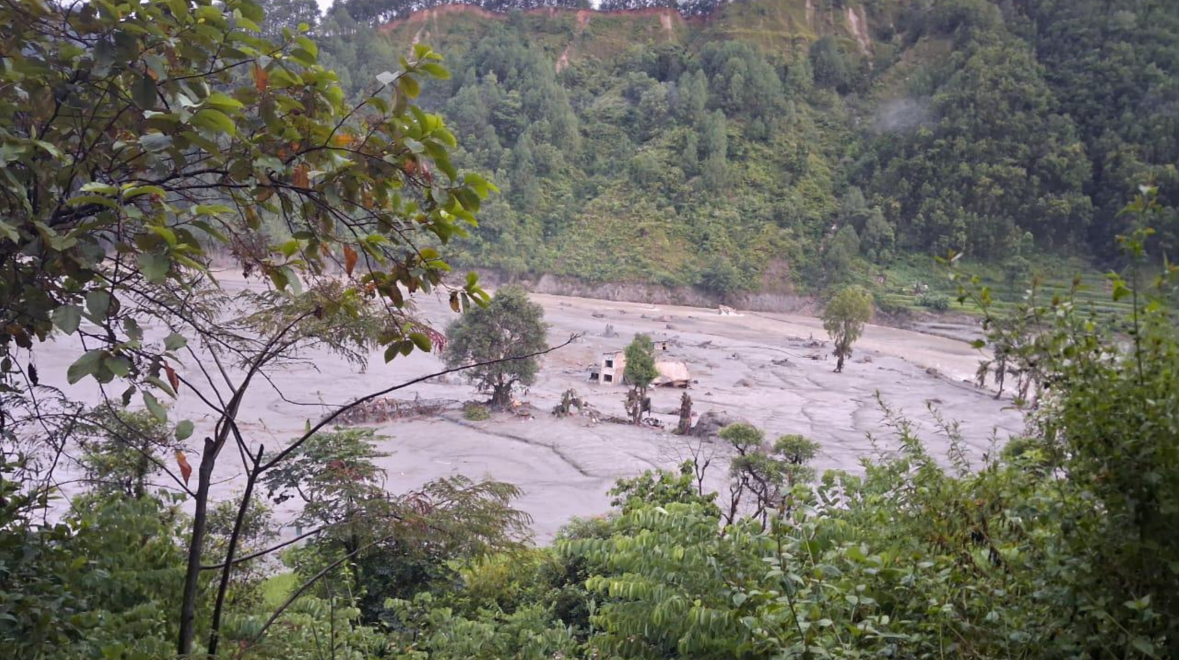
After the devastating flash flood, which raged from the border region with Tibet via the Bhote Koshi and the Trishuli far downstream through Nepal, the search for survivors continues. More than 900 people have died and thousands are still missing. At the same time, the situation in the affected areas remains tense.
Debris, mud and ice have blocked rivers in the Himalayas. As a result, natural reservoirs have formed, the barriers of which can be unstable. If they give way, large masses of water could flow into the valley again. Also, repeated rain increases the danger and complicates the search and recovery. Nevertheless, the search for survivors continues with great hope.
Many survivors have lost everything: Houses have been destroyed, roads and bridges are no longer passable, places are difficult to reach and the supply of food, clean drinking water and medical aid is restricted in many places.
That is where our help comes in. Together with our project partners on site, we provide people with everything we can – with clothes, blankets, food, clean drinking water and medicines. The need is great. Therefore, we ask everyone to support the fate of these people and to support our help with a donation.
Our previous projects in Nepal
According to the current state, neither our schools in Chitwan nor our godchildren are directly affected by the flash flood. Some of the schools we support are located high up in the mountains and outside the immediately flooded areas.
However, access routes and transport links are affected. As a result, individual villages and project regions are currently more difficult to reach, which further complicates the provision and support on site. We remain in close contact with our project partners and are closely monitoring the situation.
With the decline of water masses, new dangers arise
Destroyed water and sewage systems, polluted drinking water, sludge, waste and dead animals increase the risk of infection and waterborne diseases. Especially where people are cut off from clean water and medical care, the risk of disease outbreaks increases.
All the more important now are clean drinking water, hygienic care and rapid medical assistance.
Together we help Nepal - help you!
Donate to this project →