
Medical packages for new arrivals in refugee camp zone 8
In the Rhino Camp in Uganda, almost 200 new refugees arrive every day, whom we want to provide with medical and household packages.
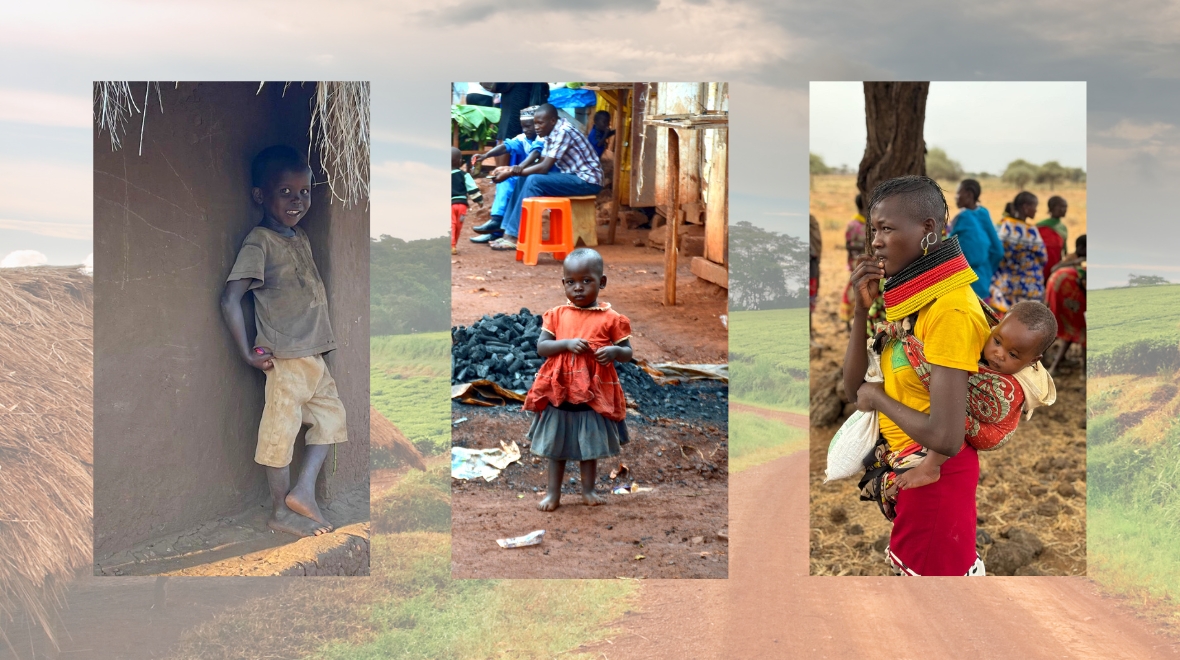
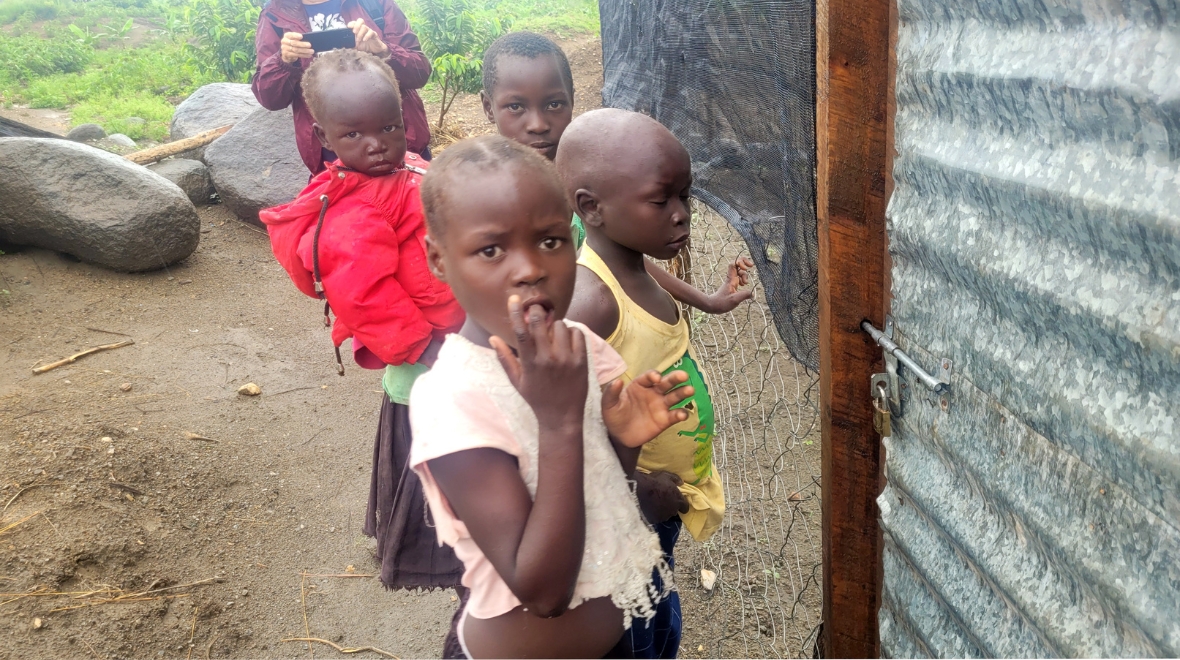
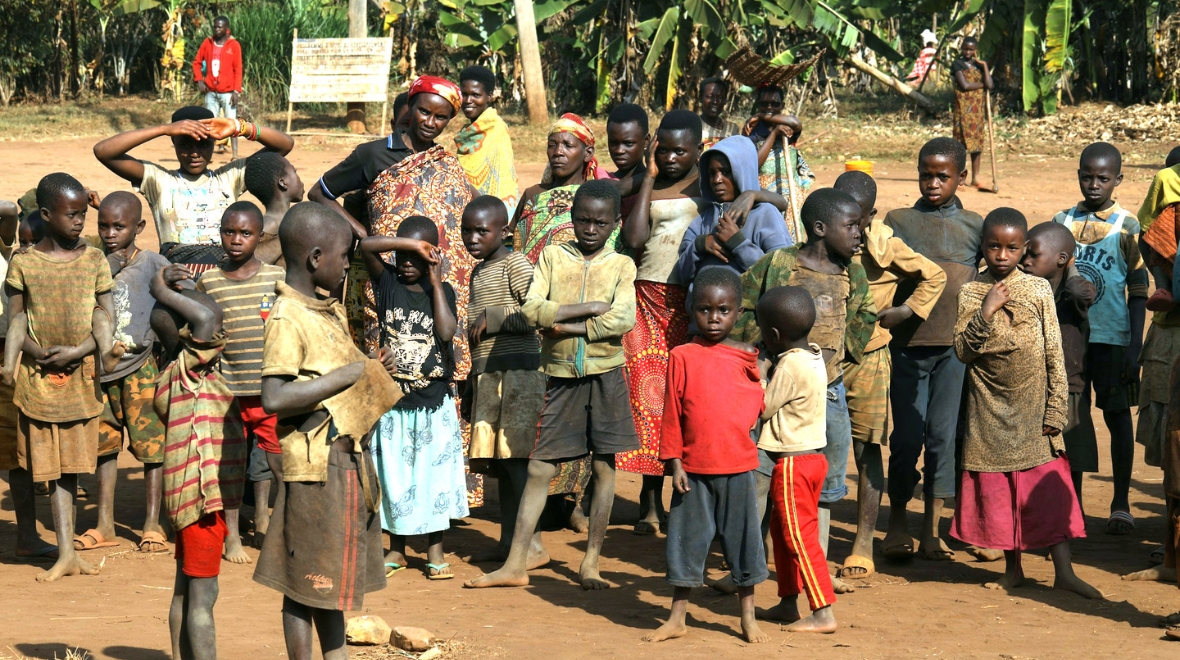
The East of Africa continues to be marked by violence and war. As a result, a Large influx of refugees from Sudan, South Sudan, DR Congo in Uganda in the Rhino Camp. The existing seven zones of the Rhino Camp are overloaded, which is why the Government and UNHCR decided to open Zone 8 have. Zone 8 is located in Subcounty Rhino Camp, more precisely in Gbulukatunu Village, about 22 km from Yoro Base Camp.
It is planned that Zone 8 Long-term up to 60,000 refugees can accommodate. Currently, only about 7,000 people are accommodated there, as the basic infrastructure is still missing.
Every day about 150–200 new people arrive. an. We at HOPE e.V. would like to distribute a medical and household kit to every family when they arrive.
Each household kit (for 3–5 people) costs 30 EURO and includes:
- 10 pieces of body soap (250 g)
- 5 pieces of washing soap (250 g)
- 2 × 20-litre canister (one canister with a rooster)
- 1 × 10-litre bucket with lid
- 1 drinking cup or ladle
- 5 - 6 reusable fabric bandages
- 2 packs of disposable menstrual pads
- 2 underwear (for women/girls)
- 1 small sink for menstrual hygiene
- Toothbrushes and toothpaste
- Multipurpose cleaners (500 g)
- Nail clipper, comb, small towel
- Information brochure on hygiene and waste management
This hygiene kit supports both household hygiene and the menstrual dignity of women and girls.
Help us fund these household kits and donate them under the purpose 8073 household kits.
In addition, there are other challenges that Uganda must face in this new flow of refugees.
Infrastructure: There is a lack of roads, water sources, sanitation and health stations. The soil is stony, which makes it difficult to grow food.
Supply situation: Due to budget cuts in the World Food Programme, food rations have been reduced by 40%. Only new arrivals currently receive the “full” ration.
Environmental impact: Extension leads to problems such as deforestation, water scarcity and soil depletion.
Measures planned so far
Mobilisation and awareness-raising the refugees and the local population.
Negotiations with host communities for land use.
International financing is urgently needed to ensure infrastructure and basic services.
For this purpose, we are in discussion with our well-known partner in the Rhino Camp and plan what the next steps of HOPE are to support the refugees.
Donate to this project →