


Successful model of agricultural training
Prizes for our students at the Agricultural Fair
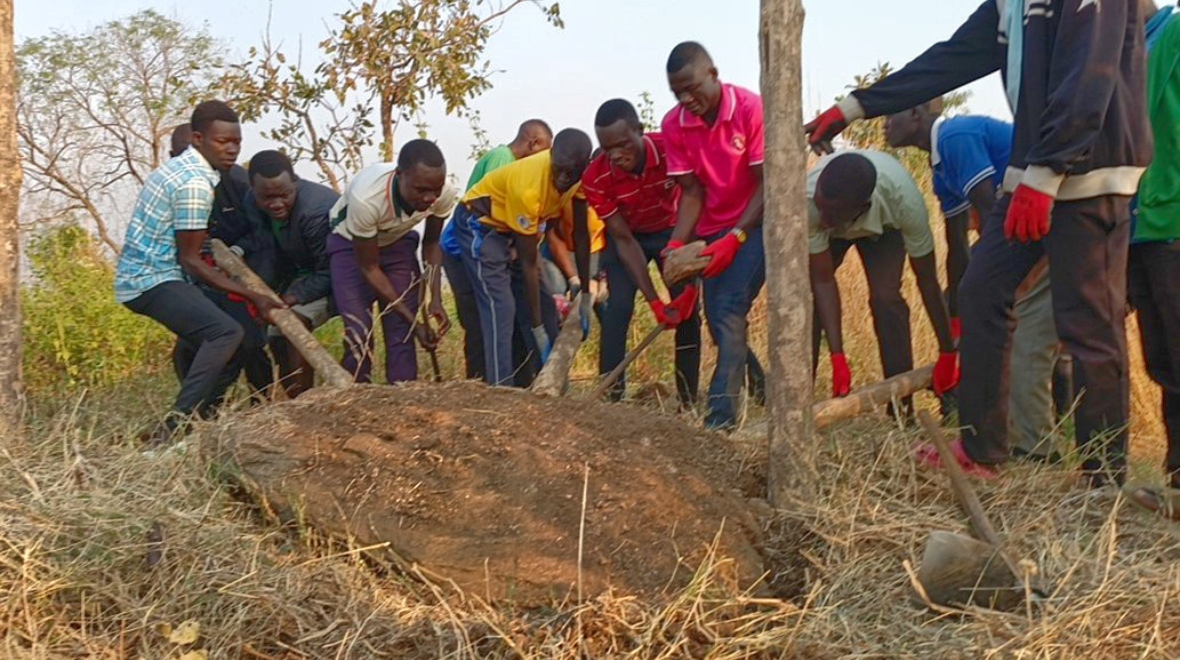
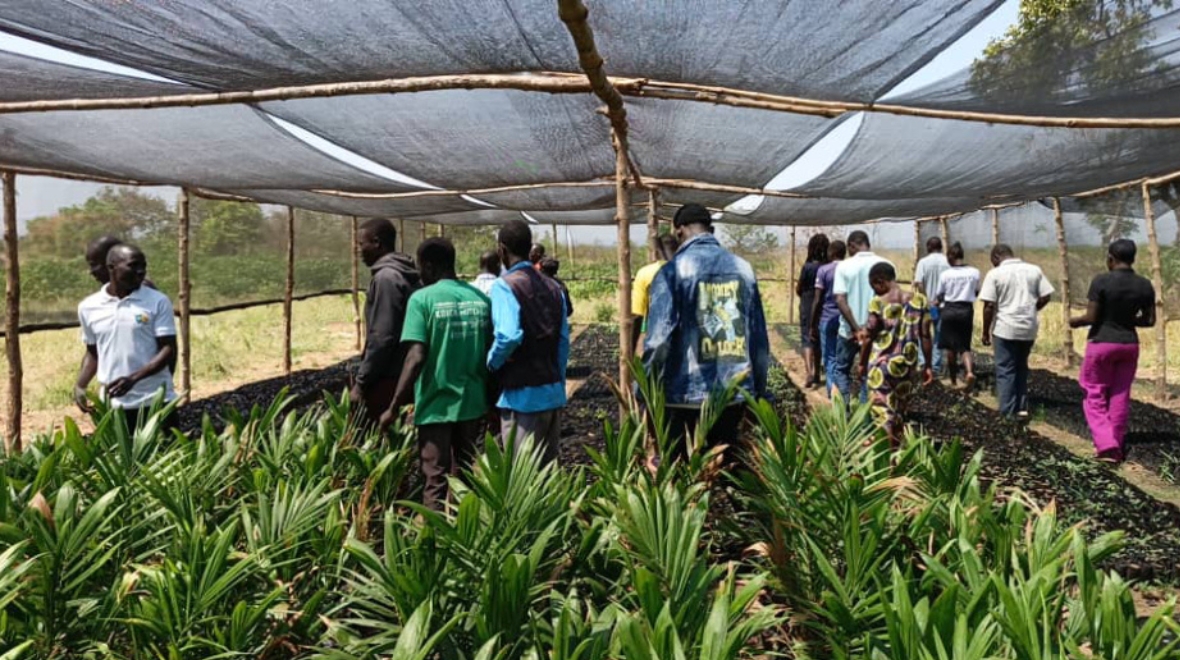
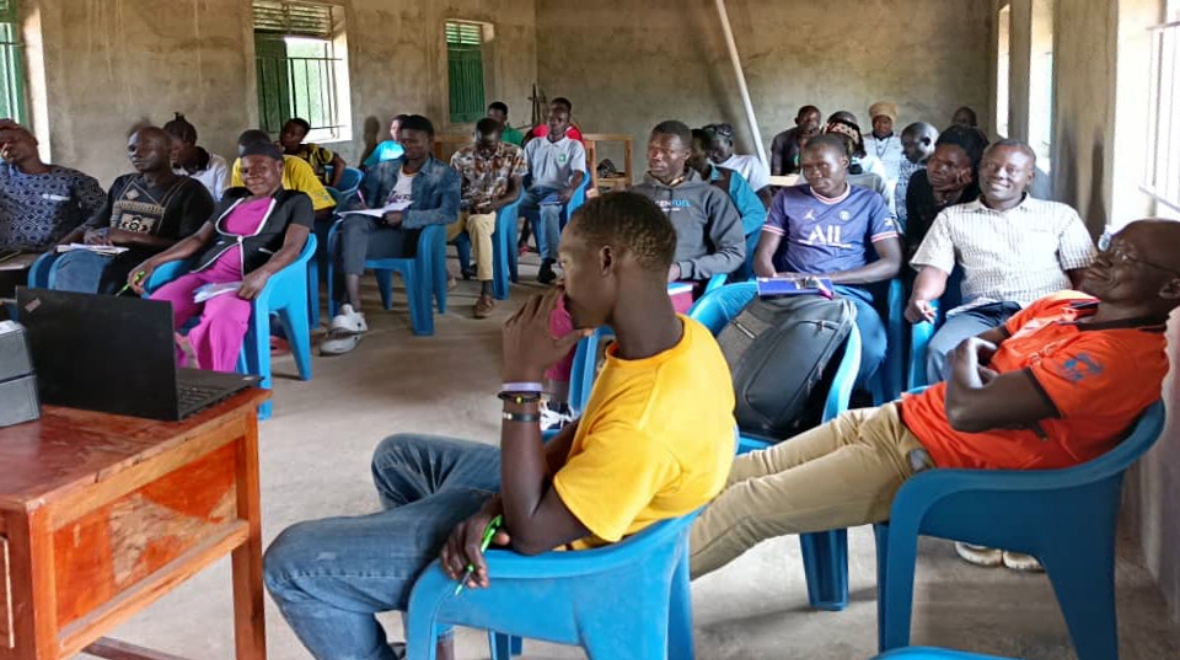
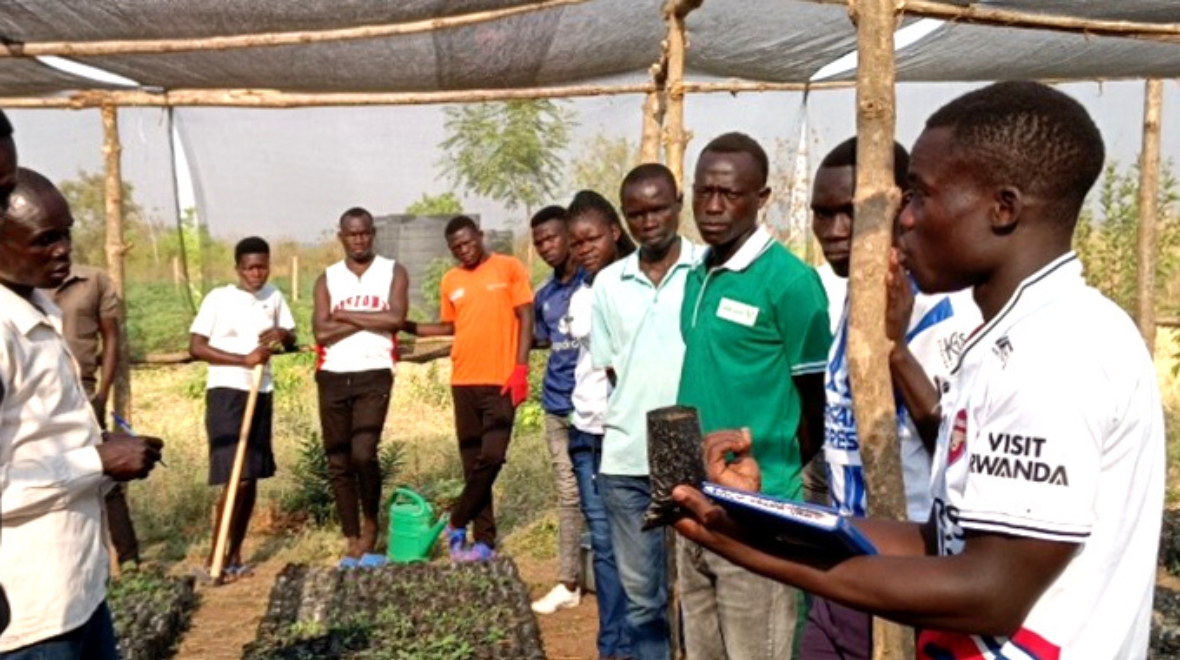
Refugees in Rhino Camp receive land from the Ugandan government. But knowing how to use it well for agriculture is the task of the FFS (Farmers Field School) of Landwirtschafts-Training in cooperation with HOPE e.V.
Farmers Field School (FFS) has had an exciting first quarter and 40% of the curriculum has already been completed. We are on track to complete the program by October 2025 and plan to expand to remote regions.
With a wide range of nationalities such as Uganda, Congo and South Sudan and a cooperation with local educational institutions such as West Nile University, the course is set for a successful continuation.
Our training covers the following topics:
Seedbeet management: Participants learned how to manage seed beds efficiently, which is critical for plant growth. Routine tasks such as watering, pruning and pest control have been introduced.
Soil management: Practical experience in the preparation and maintenance of various types of soil (clay, silt and sand) was provided. Important aspects such as pH measurement and nutrient analysis were the focus.
Tool handling: Proper use and maintenance of agricultural tools has been trained to increase occupational safety and efficiency.
Fencing: Through collaborative projects, such as fence construction, not only protective measures for the fields were implemented, but also teamwork was promoted.
Prices at the Agricultural Fair:
One highlight was the participation in the agricultural fair in Arua, where farmers present their cultivated plants and agricultural techniques. We are delighted that some of our students have won awards for their outstanding performances and presentations. This experience has boosted farmers’ self-confidence and motivated them to continue working hard on their agricultural projects. Our students were particularly impressed by the technological opportunities available in today’s agriculture.
Transfer of learned knowledge:
The FFS has not only imparted knowledge, but also helped to bring this knowledge to the communities of participants. Farmers use their new knowledge to:
- To train families and neighbors in agricultural techniques.
- To help build seed beds and implement hot cultures.
- Share important information about soil management.
Conclusion
The first quarter of FFS was characterised by intensive learning and practical application. The positive feedback and active participation of the participants confirm the success of our approach. We look forward to the coming months, in which we expect further progress and implementation of what we have learned in the communities of the participants.
Donate to this project →