
Medical use of HOPE at Rhino Camp, Uganda
Within 2 days, our team treated up to 400 patients. But the support continues.
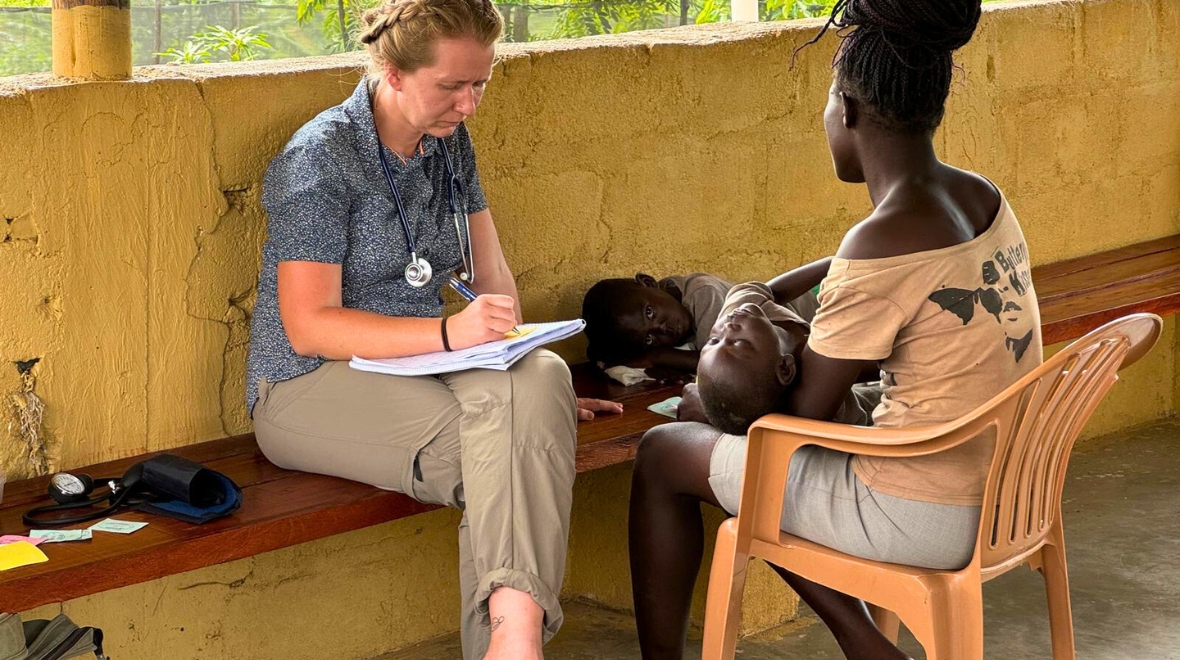
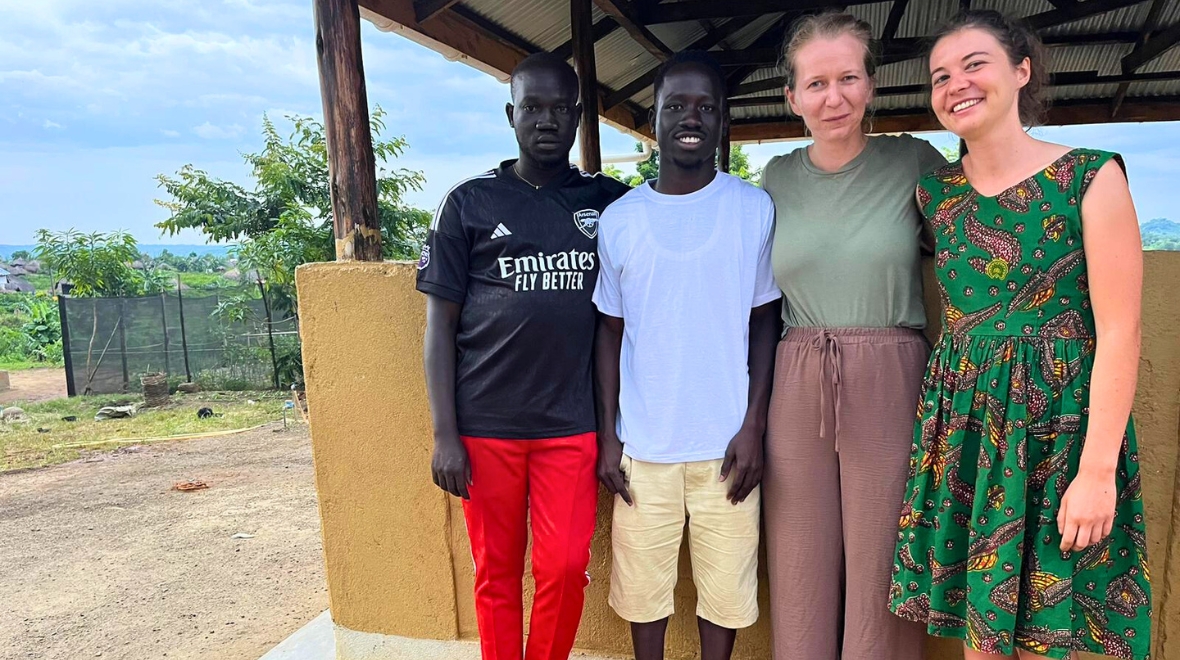
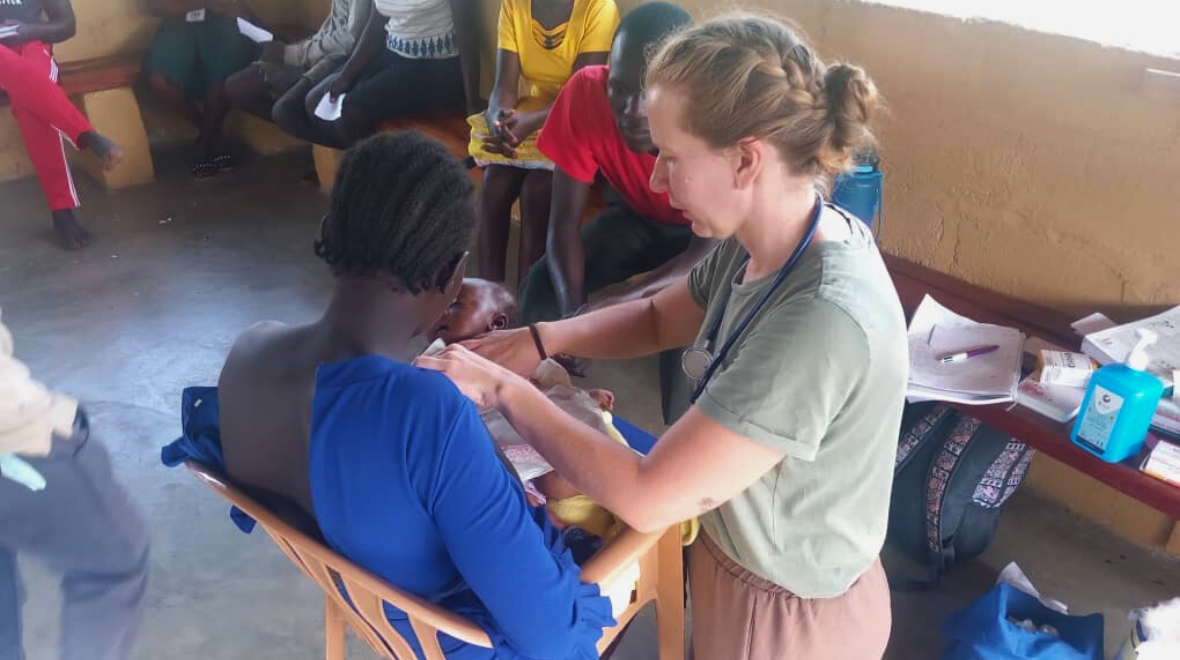
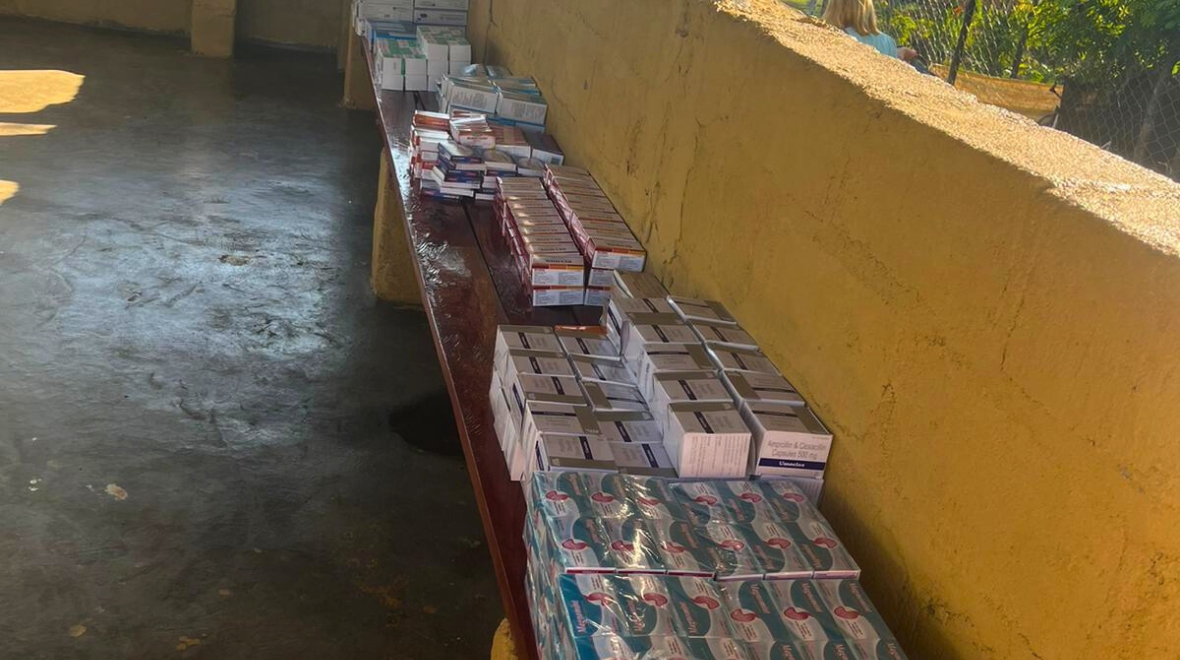
On 13 and 14. In August 2024, we had the opportunity, as a team of HOPE, to carry out a medical mission in the Rhino camp. We were able to buy medicines on site and treated about 400 patients together with two medical students on these two days. Peter and Moses, the medical students who were previously supported by a HOPE sponsorship program, are faithful companions and continued the mission in the following days. We can help other patients.
We were told that the three most common diagnoses in northern Uganda are malaria, typhoid fever and stomach ulcers. Many patients complained of headaches, fever and heartburn.
Malaria is a disease transmitted by mosquito bites and is widespread in tropical countries. Symptoms include headache, fever, limb pain, and general discomfort. We were able to treat those affected with the drug “D-Artepp”, which is taken over three days. For prevention, it would be important for people to sleep under bed nets, especially pregnant women, as malaria infection can cause serious damage to the unborn child.
Typhoid fever is transmitted via contaminated food or water and has symptoms similar to malaria, but the headaches are constant and the fever increases daily. Typhoid is treated with ciprofloxacin. Good hand hygiene and access to clean drinking water can prevent the disease.
Stomach ulcers They are also a common problem. Many patients complained of "heart pain", which usually turned out to be heartburn. They have been treated with antibiotics, but this is problematic in the long term due to repeated administration. Fluid intake, especially before meals, can alleviate the discomfort. Irregular meals and the high-fat preparation of food could also contribute to the development of these complaints. An alternative treatment with aloe vera is possible because the plant is grown in the camp.
Many children suffered Respiratory infections, which we treated with amoxicillin, although antibiotics may not always have been required. Patients with syphilis were also diagnosed, but we were unable to offer treatment due to a lack of medication. One woman was suspected of prostitution as a possible cause of the spread of the disease.
We also treated patients with urinary tract infections, chickenpox and skin fungal infections such as ringworm. We were able to treat children with worm infestation with a single dose of albendazole.
Pregnant women We also received a birth package. Fortunately, they have the opportunity to go to the nearest hospital in Arua for delivery. For this, however, they must bring such a birth package and sterile gloves. However, many women can not go to the hospital, but usually give birth to their child at home. For them, such a birth package is essential. We would like to continue the distribution of the birth packages. Read with pleasure HERE More on this action.
In the evening we met regularly with young women. One of the teenage girls told us that she considers the medical assignment to be a prayer answer, as she had been to a clinic a few days earlier, but did not have enough money to buy the prescribed medication. With us, she was able to receive the necessary treatment.
I am grateful that I was able to witness this mission, even though it offered only a small insight into Uganda’s healthcare system. There is probably a high unreported number of venereal diseases such as HIV, syphilis, chlamydia and gonorrhea. Education about these diseases and prevention, especially loyalty to the partner, are of great importance in this region.
Overall, I think that through comprehensive education, the use of mosquito nets, access to soap and clean water, and a balanced diet, many diseases could be avoided. Another problem I see is the excessive use of antibiotics, although there are often other treatment options. Of the 14 drugs available, 8 were antibiotics.
This is the conclusion of Susan Hatton, responsible health and paediatric nurse for the medical mission.