

Water supply for school in Chitwan Desctrict
The Challenge of Nepal's Landscape
The solution to the water problem is to bring the water through pipes from a mountain spring. The pipes are each about 1.5 km long and direct the water to a filter near the school. From there, the water is stored in a tank and distributed to the school and the community.
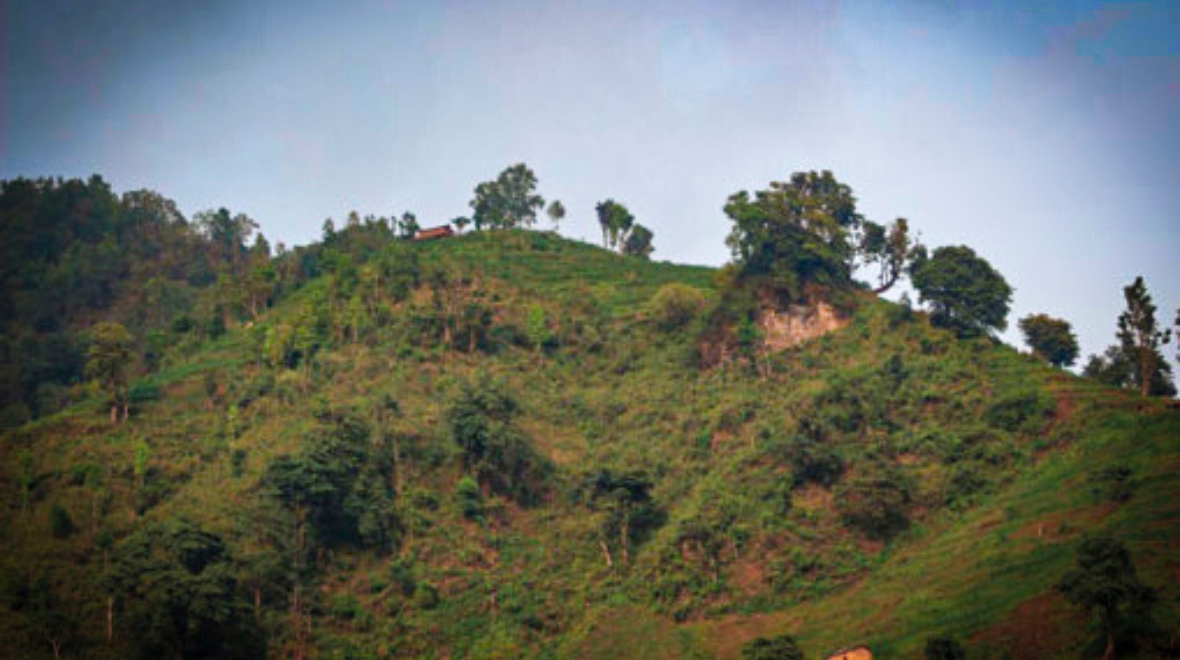
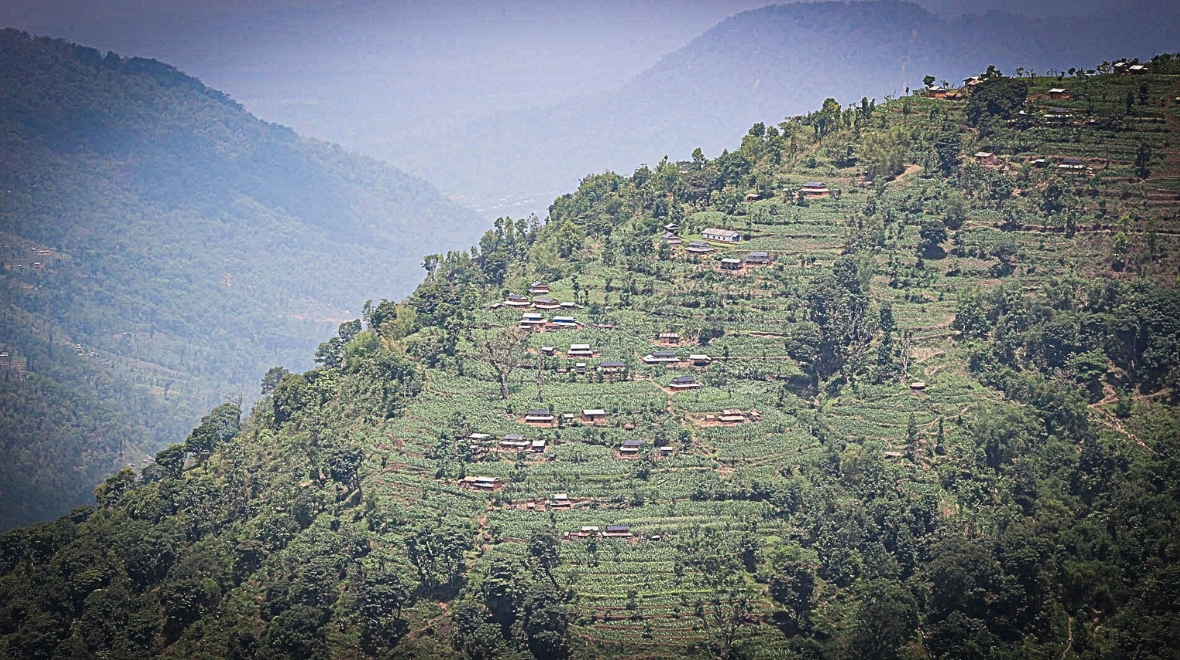
Nepal is a landlocked country with an extremely difficult landscape. Many people have to travel long, dangerous paths to reach water sources. In rural lowlands and mountains, the distances to water sources are long, and water supplies are often contaminated with naturally occurring arsenic. Open defecation also spreads diseases in habitats.
The extreme topography of Nepal, the unequal distribution of houses and villages and the differences between rural and urban life forms are contributing to the water crisis. Water is usually available in the rural river valleys, but cities in the higher elevations of the hills are severely affected by water scarcity.
HOPE supports two schools in villages in the Chitwan district of Nepal. Water is a problem for both communities. The schools are located on a hill just outside and above the villages.
The solution to the water problem is to bring the water through pipes from a mountain spring. The pipes are each about 1.5 km long and direct the water to a filter near the school. From there, the water is stored in a tank and distributed to the school and the community.
The simple solution is economical without a lot of technology. This means that the maintenance costs are practically zero and nothing can break apart from an earthquake. The cost per person of the beneficiaries is approximately 1.50 - 2 EUR.
The benefits to communities are priceless.
DONATIONS