Successful WASH project combines hygiene, reforestation and training
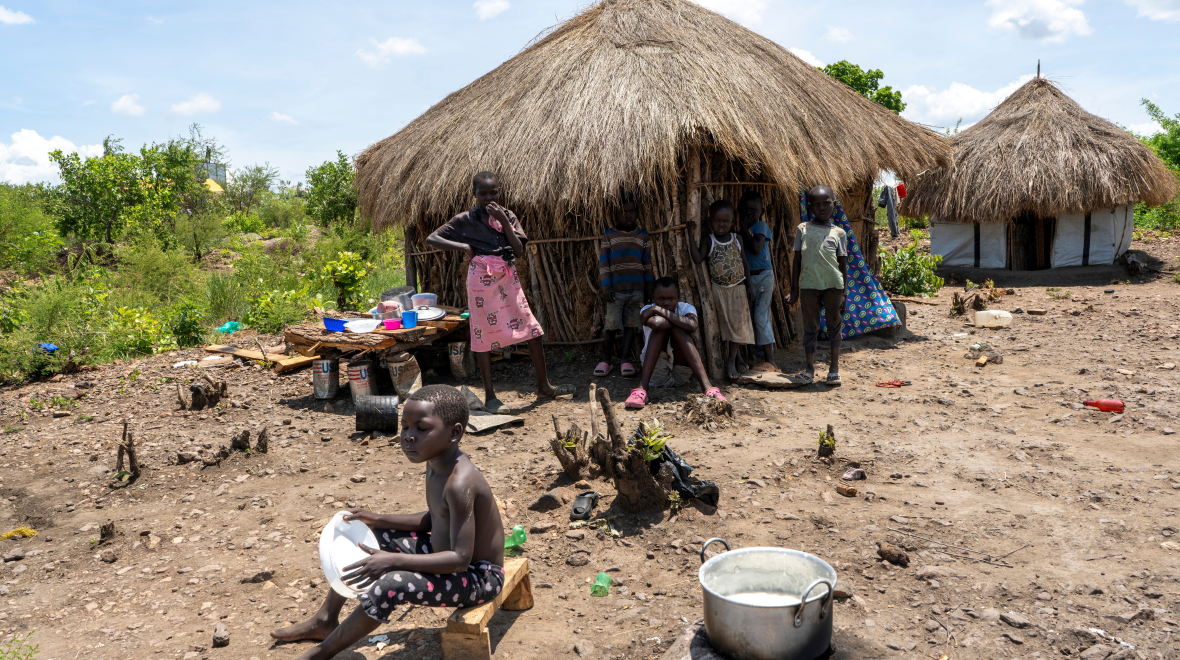
Practical assistance improves living conditions and strengthens the independence of refugees in zone 8 of the Rhino Camp.
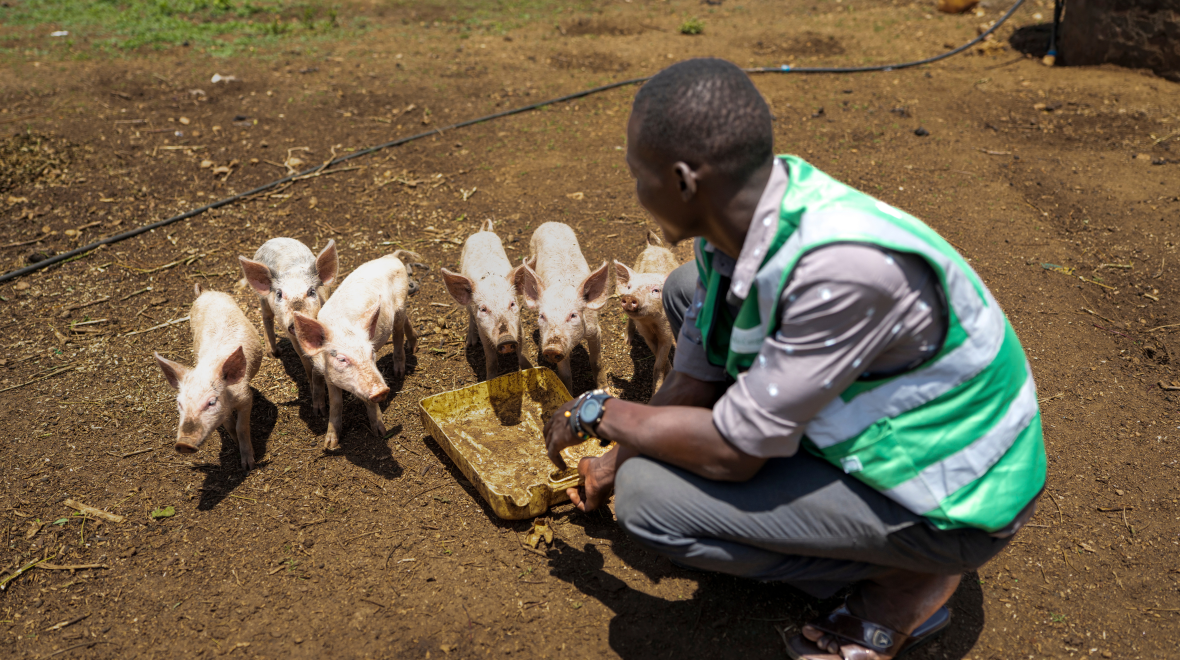
The WASH (Water, Sanitation and Hygiene) project started combines the construction of sanitation facilities with hygiene training, medical support, reforestation and the cultivation of food.
A community centre as a meeting place
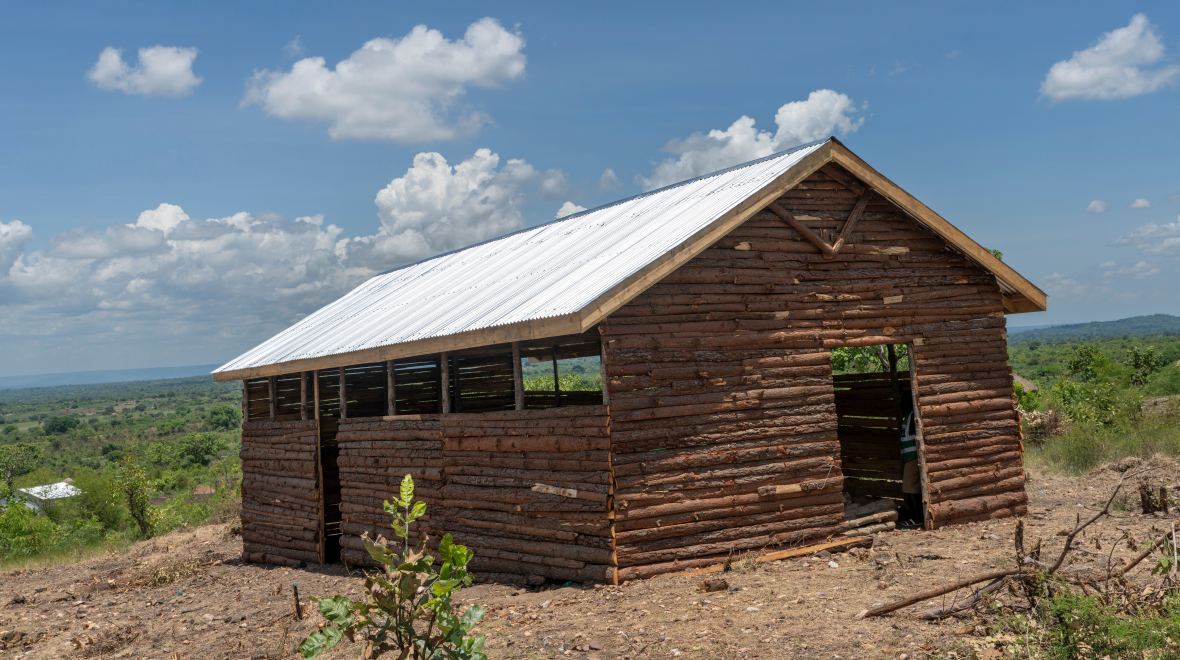
A new community centre offers space for gatherings, educational events and training on water, hygiene and health. In addition, people here learn how to improve their living conditions through sustainable agriculture and the connection of trees and crops.
Community toilet construction work
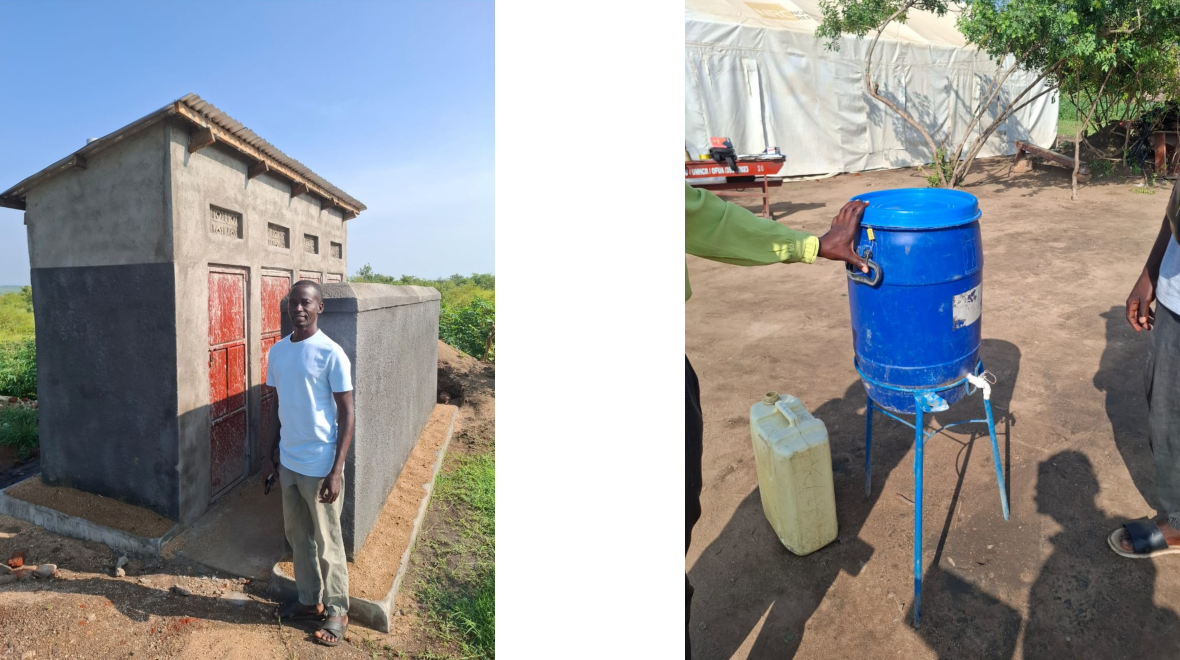
Clean toilets are an important prerequisite for good hygiene and protection against disease. But especially in a refugee camp, sufficient sanitation is not a matter of course. As part of our project, 11 common toilet blocks with four cabins each were built. The final work is still to be done.
Solar power for the health facility
A birth is a special moment in life. But imagine, a child is born at night and the medical staff has to make do with the dim light of a cell phone flashlight. This has been a reality in a health facility in Rhino Camp so far. Not only in the case of births, but also in the care of sick people, the employees were dependent at night on this little light.
With the installation of a solar system, we were able to significantly improve this situation. Now, even after dark, light is available – a great relief for the medical staff and patients.
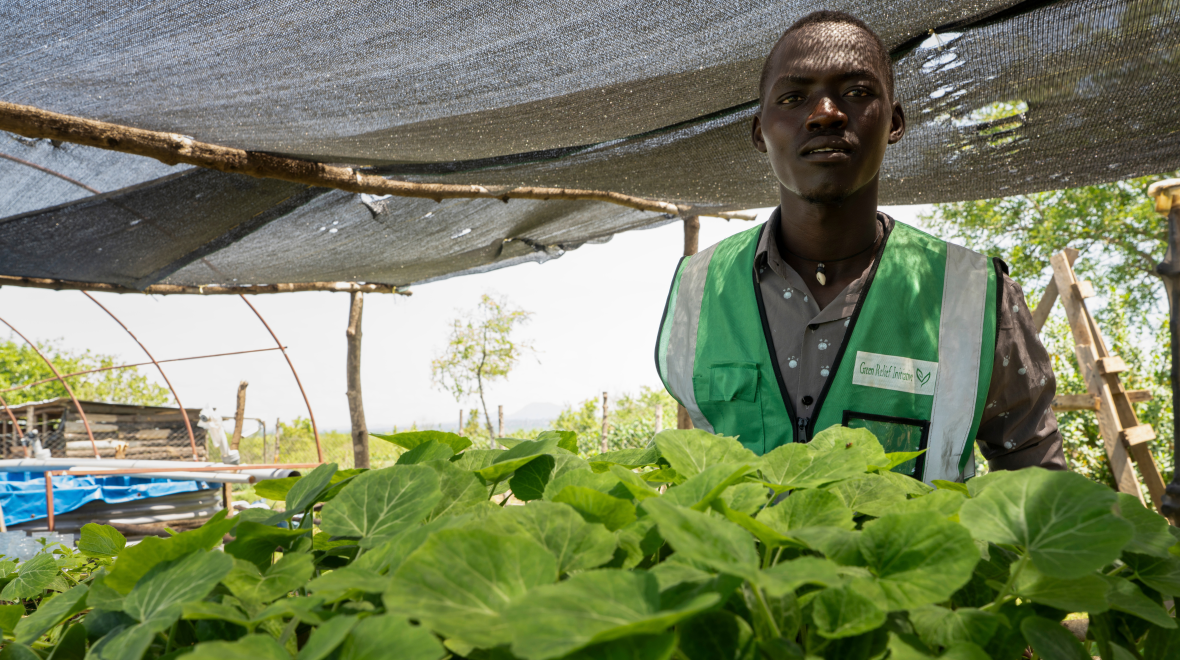
Planting trees and creating kitchen gardens
Trees are much more than just a contribution to environmental protection in Rhino Camp. They provide shade, provide fruit and can also be used as firewood in the long term.
This is why our project promotes the planting of fruit, shade and firewood trees around the refugees’ shelters. In this way, we help to restore the environment and at the same time improve the living conditions of families. In addition, small vegetable gardens were created in more than 2,000 households. Here, the families can grow their own vegetables, improve their diet and use the available land sensibly.
Promote the households.
WASH Education and Support for Girls
Clean water and good hygiene can prevent disease. But this requires not only the appropriate facilities, but also knowledge about how to deal with them correctly. Our partner team therefore visited the families directly in their accommodations. Employees provided information about clean drinking water, food hygiene, hand washing and cleanliness in the household.
Through these personal conversations, they were also able to get to know the living conditions of the families better and to recognize where further help is needed.
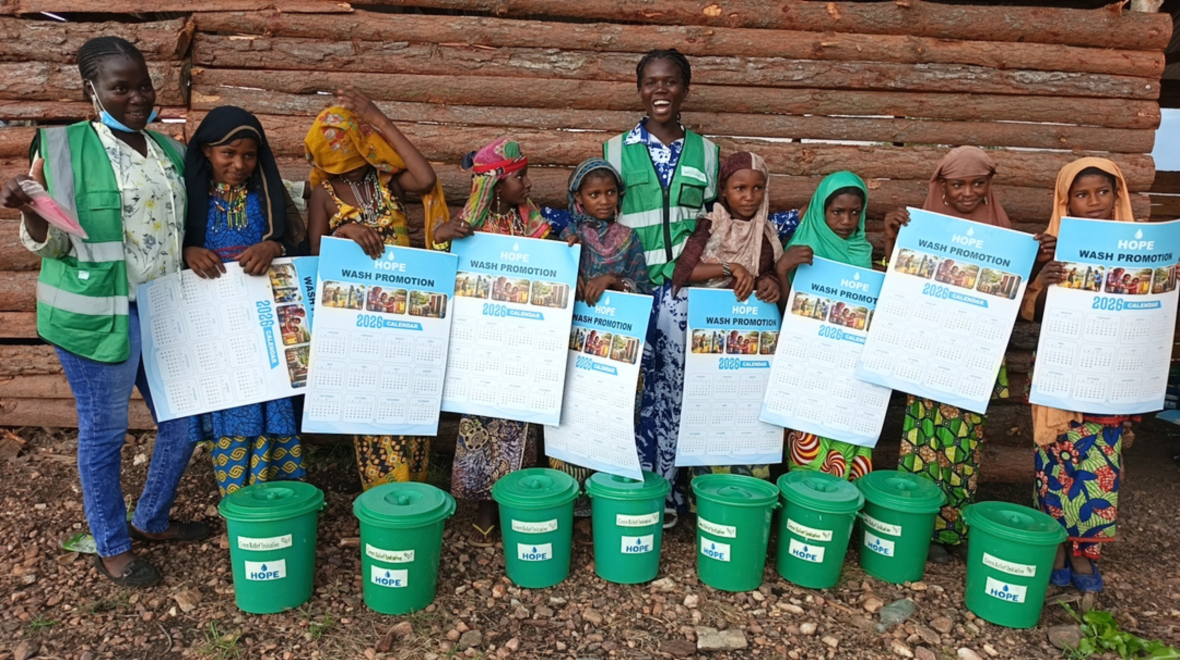
Special attention was paid to adolescent girls and their menstrual hygiene. The girls were given menstrual hygiene sets with a bucket, underwear, soap and a towel. In practical training, they also learned how to make reusable sanitary pads themselves. This is an important help for girls, whose families can hardly afford new hygiene items on a regular basis.
Measures during the Ebola outbreak
The importance of hygiene education was particularly evident during the Ebola outbreak. Our partner team Green Relief Initiative was directly on site. Employees informed people about contagion risks, preventive protective measures and the importance of good hygiene.
In addition, hand washing facilities were set up at 50 important locations within the refugee settlement.
But it wasn’t done with setting it up alone. In order for people to be able to use these facilities, they had to be regularly supplied with water and soap.
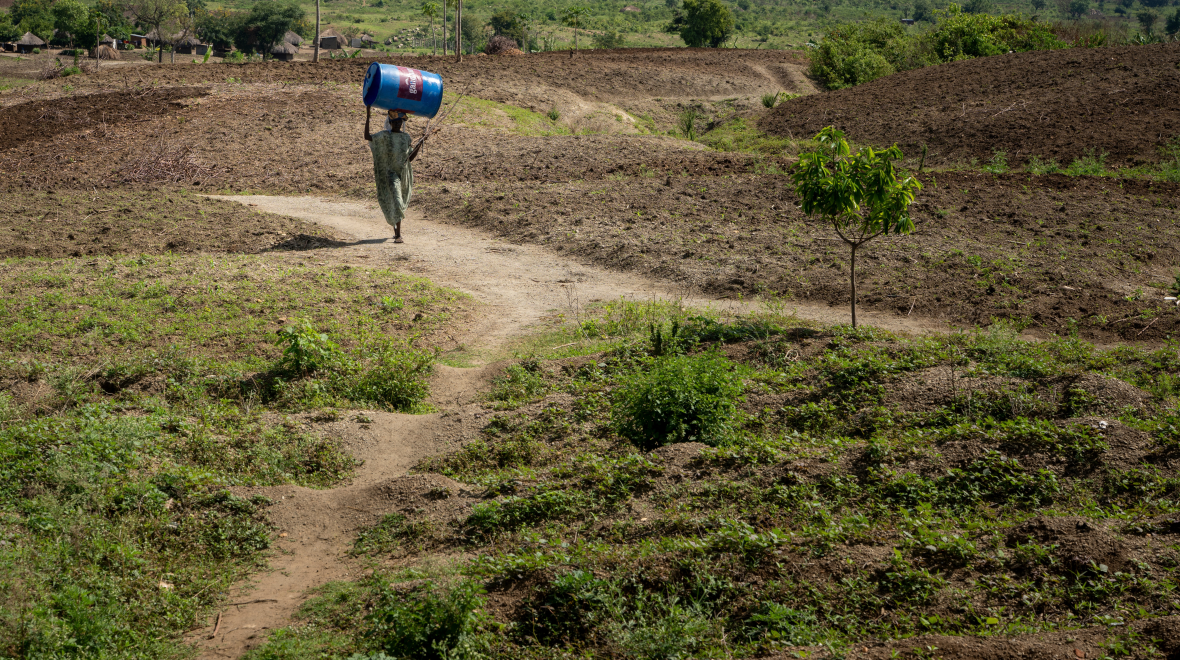
A great challenge! In some areas, the team had to travel long distances in order to obtain enough water and keep the hand washing points functional.
Conclusion – Together we have achieved a lot!
With our WASH project we were able to improve the living conditions of many people in zone 8 of the Rhino Camp.
Clean toilets, better hygiene options, solar power for medical care, new trees and own vegetable gardens are important steps for better health, safety and independence. The combination of practical help and training is particularly valuable. Because our goal is not only to alleviate the immediate need, but also to open up new perspectives for people in the long term.
Many thanks to all supporters and donors who made this important help possible!
Our work is not yet complete. The last construction work on the toilets is still pending. The maintenance of existing facilities as well as other hygiene and environmental projects also require support.
Do you want to continue to be part of this life-changing project? Then you help with your donation to sustainably improve the living conditions of the refugees in the Rhino Camp.