

Reconstruction with special challenges
In Nepal, in addition to winter, the difficult reconstruction after the flash flood begins.
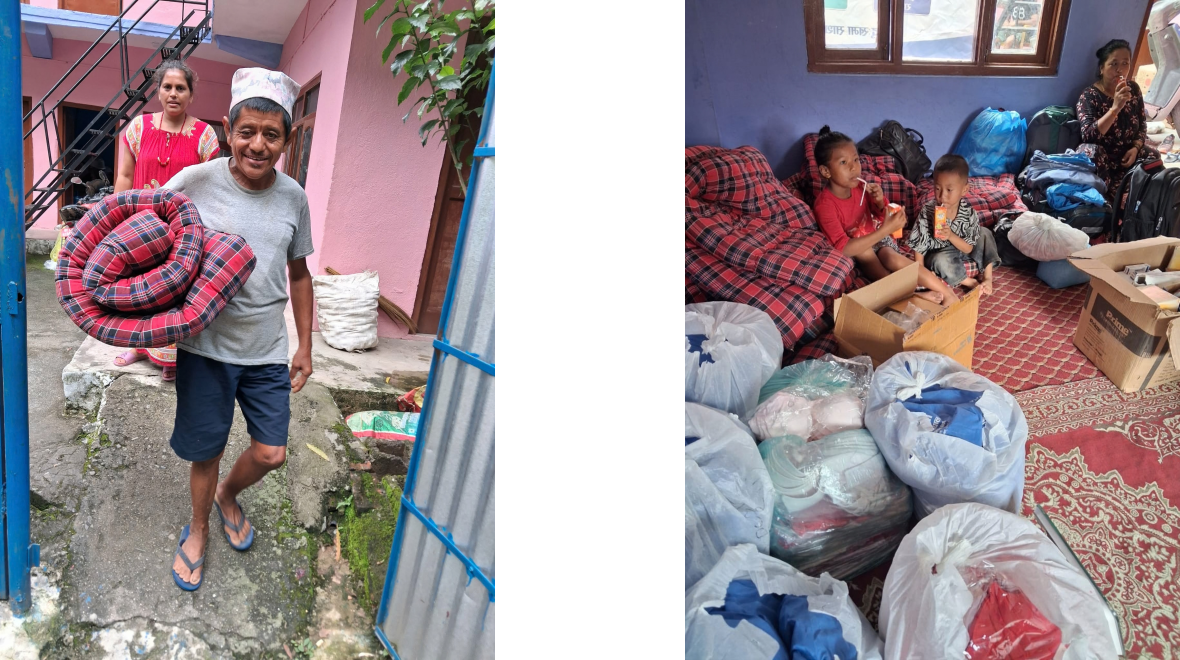
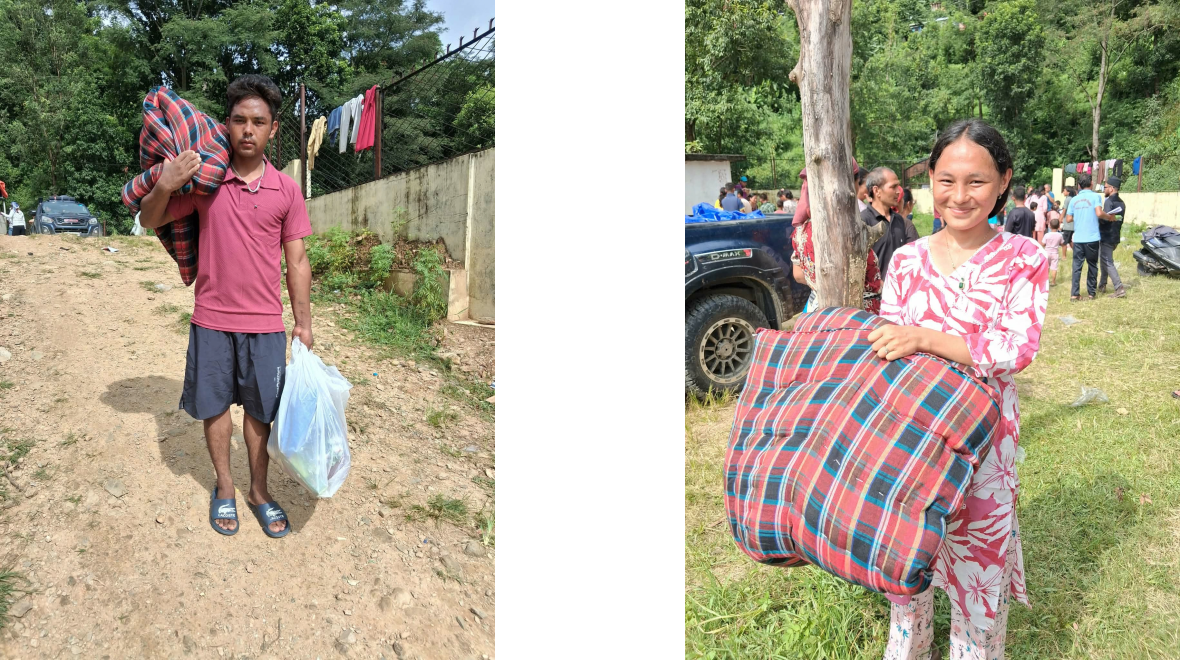
One day after his return from the flood zone we spoke of HOPE e.V. with our Project leader Rajan on the situation in Nepal, the current challenges and the way forward.
Even just under four weeks after the flash flood, some of the affected areas are still not accessible. The sludge masses do not allow passage, roads are not passable and paths are inaccessible.
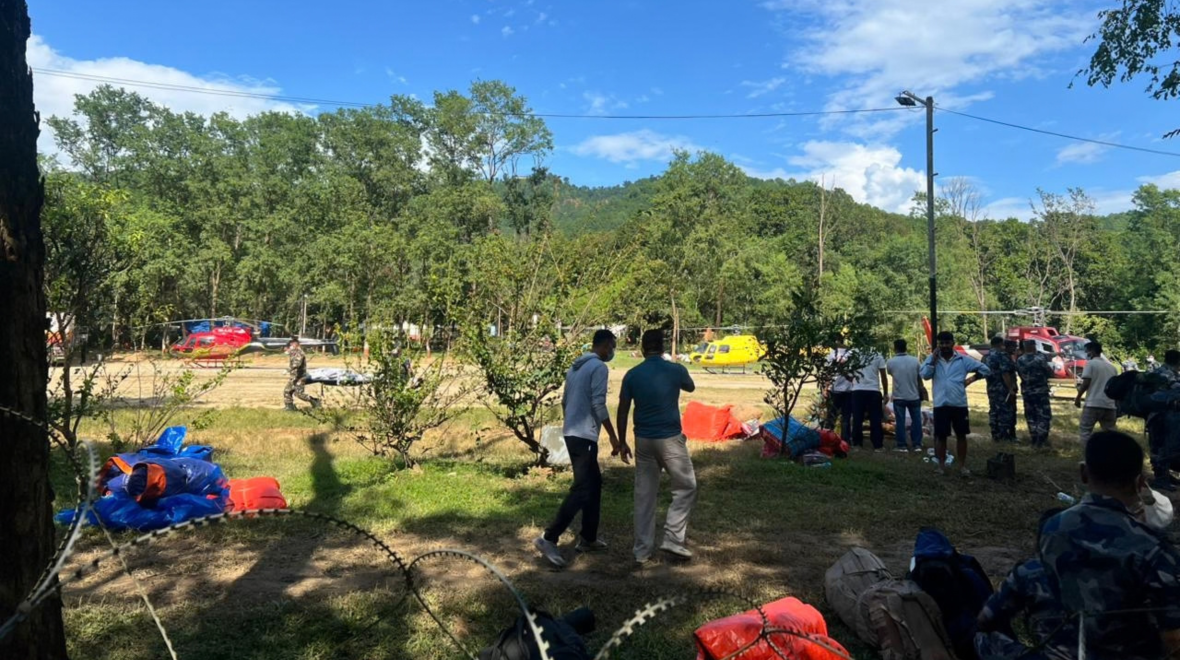
Rajan reported on his visit to the riverbed, from where the supply of the cut off areas from the air is organized:
There's so much going on. The approximately 40 helicopters fly like cars. One side of the sky is used for the flights to the inaccessible areas, the other for the return flight, reports Rajan. Unfortunately, the areas that are most affected are still unreachable. But now, in addition to the helicopters, there are also drones that can be used for supply.
Rajan also explained to us that there were numerous hydropower plants in this region where many men worked. In many families in Nepal, the father is the main earner, while the mother takes care of the children at home. Due to the flash flood, many family fathers have now died or are still missing.
For the families affected, this has Far-reaching consequences. Not only the main earner is missing, but often also a central reference person of the family. This affects the entire family and social structure as well as the future of the children.
In the coming days, the Nepalese government will officially declare many of the missing people dead. At the same time, planning begins for the reconstruction of the destroyed villages. However, these are not to be rebuilt at their previous locations, but further up in the mountains.
From previous travels of our HOPE employees and from various school construction projects, we know the special challenges of such projects. Some roads in the mountains are so narrow that neither cars nor trucks can pass through. Construction materials must therefore be carried partly by hand to their destination. In addition, many roads are still not passable.
The planned resettlement and reconstruction will require a lot of preparation and will take time. At the same time, winter starts in Nepal next month. Declining temperatures bring further challenges and increase time pressure.
Many children also still suffer from the experiences of the past weeks. Some are afraid to go back to school. The tidal wave came during school days, when they were separated from their families. Some children have lost relatives. The events have left deep traces.
The existing emergency also brings new dangers for young women and girls with itself. Find out more about this in our article If protection is lacking, the danger grows
Among other things, the following assistance is planned:
• the construction of winter-proof accommodation,
• Support and encouragement for traumatized children,
• Protection and assistance for particularly vulnerable young women and girls.
Help us to provide Rajan and our local team with the necessary financial resources so that they can continue to support the affected people in the coming weeks and months.
Together for a good reconstruction.
Donate to this project →